
-
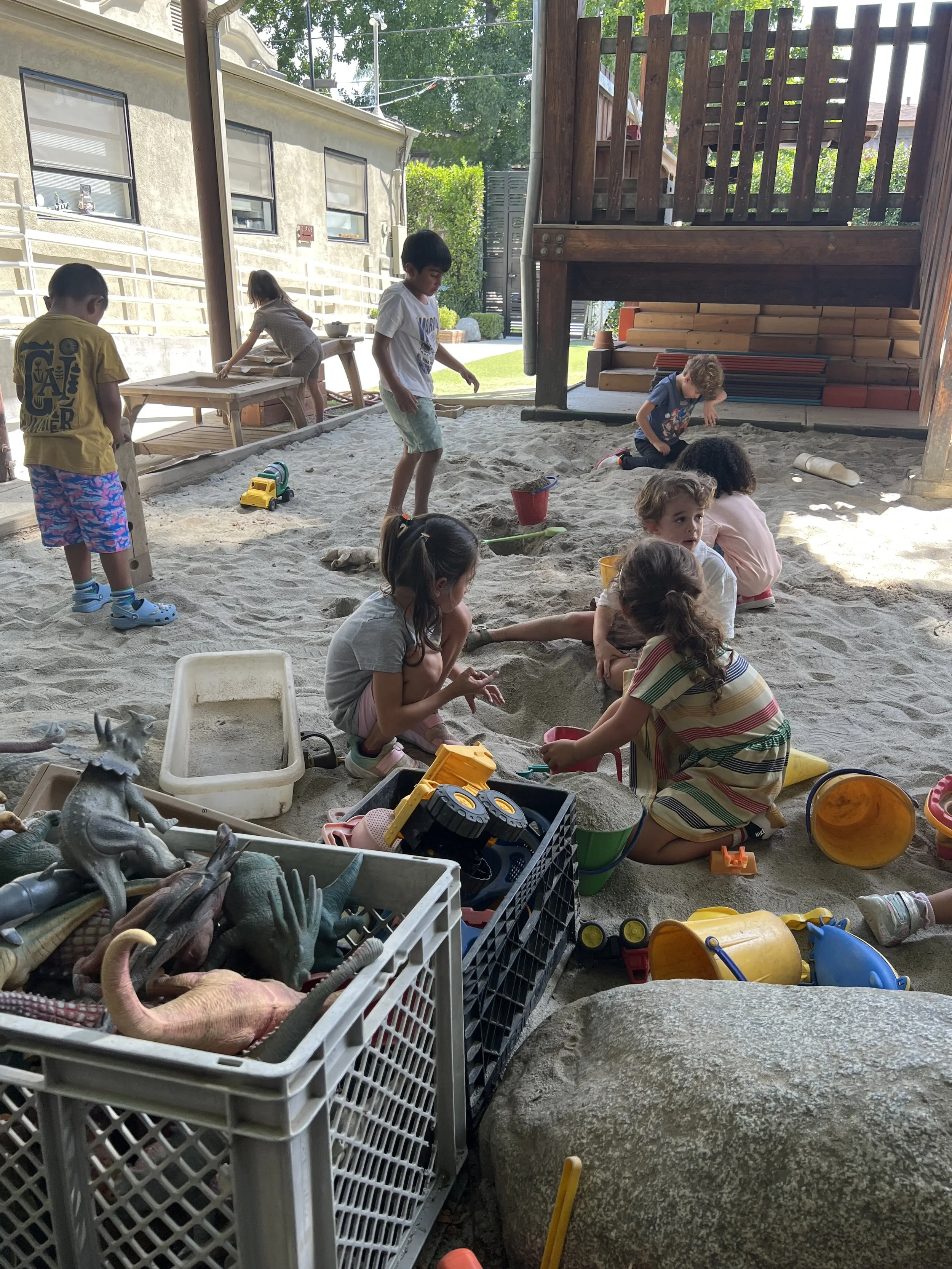
In a rapidly changing technological landscape, a low-tech environment helps children build deep cognitive, emotional, and social resilience. When students avoid passive screen consumption, search engines, and automated chat responses, they are invited into active "productive struggle". Rather than developing unrealistic expectations of instant answers or learning ease, children in low-tech classrooms build the grit, critical thinking, and perseverance necessary to truly understand material and solve complex problems.
-
At a low-tech progressive school, acquiring knowledge is an active, human-centered endeavor. Instead of passively consuming facts from lectures, worksheets, or search results, students act as true researchers. They read primary texts, go on experiential field trips, and conduct hands-on experiments. By discussing evidence in small and large groups, children learn how to evaluate information critically, vet sources, and figure out how to know if something is true.
-
Authentic learning requires authentic demonstration. Without shortcuts like copying and pasting or automated answers, students demonstrate their understanding through hard work and tangible expression. This includes handwritten reflections drafted in class, visual displays, mathematical equations, original songs, creative movement, plays, and slow, deliberate hands-on projects like block building and woodworking. Because these culminations and study shares are rooted in direct student collaboration and context, no two class demonstrations are ever alike.
-
Yes—in fact, community navigation is one of the greatest benefits of a low-tech model. Intentionally diverse classrooms like those we have at CCS bring together students with competing perspectives, needs, and ideas. Without digital devices to isolate individuals, children must practice real-time negotiation, patience, and flexibility. Through unique structured frameworks like the Talk It Out program, students at CCS learn explicit conflict-resolution skills, recognize the unique "superpowers" of their peers, and build deep relational trust that empowers them to take risks.
-
A low-tech approach does not mean shunning technology forever, or ignoring its existence; rather, it means timing its introduction to the classroom thoughtfully to serve human development. For example, students are introduced to tools like Chromebooks in the fifth grade with careful scaffolding and intentional supervision. By laying a robust foundation of critical thinking, fundamental knowledge, and strong interpersonal communication first, students grow into capable individuals who can use technology mindfully while always centering their humanity.
-
It is completely natural for parents to worry that limiting technology use at school might leave children at a disadvantage in a tech-driven world. However, at Children’s Community School, our low-tech approach actually prepares students to be more adaptable, critical thinkers.
Today’s children pick up consumer technology effortlessly on their own—they don’t need school to teach them how to use devices. By keeping our elementary classrooms low-tech, we preserve time for the things children can't get from a screen: hands-on discovery, authentic collaboration, and deep focus. Later, when the developmental timing is right, we focus intentionally on digital wellness and responsibility so students learn to navigate technology thoughtfully and with agency.